Dorothy (Dotty) Masterson was the love of my life, but more than that, for 54 years she was my friend and partner. Dotty was an artist. Her parents were artists, both graduates of the Boston Museum School. Her mother, Dorothy Goodwin, born in 1898, grew up in Old Town Marblehead, her father, John Goodwin, a machinist with his shop right behind their house. Marblehead, at the turn of the 20th Century, had an active art scene with visiting artists boarding in town, some in the Goodwin house,
Dorothy was the youngest of three girls. The Saturday morning practice in early 20th Century Marblehead was to deliver prepared bean pots to the local bakery, to be baked through the day and retrieved before suppertime. The family name would be written on the pot in chalk. Dot, the youthful carrier, drew caricatures of her aunts, instead of writing the name, according to her daughter. Dot graduated from the Boston Museum School and stayed on as an instructor.
John Cochran Masterson grew up in Angleton, Texas, his father Harris County Judge, A. E. Masterson. John, known in Texas as Cochran, the oldest child, born in 1896, joined the Texas Expeditionary Force and went to France for the last of WWI. Upon his return, his father, the judge, wanted him to study law. Walking along together, John picked up a handful of clayey soil as he spoke about wanting to attend the Boston Museum School. As the argument progressed, the young man fashioned a sculptural bust out of the clay. The judge saw what he had done and conceded the case.
Married in 1924, in Texas, they set up housekeeping in Cambridge as John began his career as a Boston newspaper artist and Dot did some commercial work. After the birth of son John in 1928, the family moved into the upstairs rooms in Dot’s parent’s home at 30 Washington Street, Marblehead, where, in 1930 and 1932 Stewart and Dorothy joined the family. These were difficult times for parents, especially artists, in the depression and then WWII, raising a family, but heady times for children in Marblehead, with the winding streets, the ocean and the harbor.
The younger Dorothy was Dotty, for me. I have no doubt that she drew at home, but I’m sure she did art at school. She had the same high school art teacher her mother had had, Marion Brown. When Dotty graduated high school, Marion Brown got her a scholarship to attend the Boston Museum School, where her parents had graduated, but her mother never told her, so, she continued dance lessons but also took private classes with artists from the Museum School, Ture Bengtz, master of drawing, anatomy and lithography, and a lady watercolorist, flower painter. Married to Daniel Bennett when a Harvard senior, he went to Stanford in California for graduate school and Dotty enrolled at the San Francisco School of Art where she spent much of her time with Nathan Oliviera in the print department. When Dan got a Fulbright to Oxford, to complete his thesis, Dotty enrolled in the Ruskin Drawing School in the Ashmolian Museum. Back to Stanford, where Dan taught for one year, Dotty found starving artist, Edward Murphy, RA, with whom she helped pay for models and drew, before Murphy went back to the UK with his wife and son.
I can hardly think of better art studies, but asked about being an artist, she said, “I never graduated from art school.” She would also say she didn’t know what she was doing, to which I would say, “No one does.” I’ve seen Monet quoted saying, “No picture is ever finished.” She, herself, sometimes mentioned Bonnard sneaking into the Louvre with brush and paint, to add a little to one of his paintings. I recently heard Yo-Yo Ma talking about playing the cello, particularly the Bach cello suites, of which he is a master. “I don’t know what I’m doing,” he said. He said when he went to play them, he didn’t know how to start so he had to imagine a line of notes leading to the beginning notes of the piece, then bow and cello at the ready the imagined notes in his head allowed him to enter the piece. In the same interview, he said Bach wrote the cello suites in his one period when he wasn’t working for a church. He was not a cellist and thought to investigate the potential of the instrument, the first three of the six suites were his search for the cello’s possibilities, the concluding 3 his full expression of what he had discovered.
In 1970, the United States was in turmoil with escalation of the war in Vietnam and protests around the country, which had included the killing of 5 students by national guard troops at Kent State University. With colleges shut down, Dan Bennett was involved with students at Swarthmore, in Pennsylvania, and he suggested I come and help there. It was Dotty who needed help as she was being mother to Elizabeth and expected to supply food for the family as well as the students who occupied the house most days. We drove Elizabeth to school and picked her up later, we shopped and we cooked.
Then Dan bought an offset printing press with 3 phase converter and large format camera. The former owner had just cut the wires to and between the machines. Moved into the garage, I bought wire and dug a trench for the wire out to the garage, while a couple of Swarthmore College physicists figured out how to wire the machines. All ready, the professors said, “We think this is right, if it isn’t we will see a blue flash that would ionize a horse.” It worked, but now we had to figure out all the complications of printing. Fortunately, a job arrived. The Black Panthers had a convention scheduled in Philadelphia and the police had destroyed their office equipment. Somehow, they had heard about the press and came looking to have fliers printed. Using the camera, we photographed the copy onto a prepared plate from a printing equipment company in the city where they also developed the offset plate for the press. It all worked.
Much of the time we were working together, in the house, the car and the garage, we would be talking, Dotty telling me much about her life and family. One day in the garage, she said, “If I leave, will you come with me. I have talked about this with Elizabeth and she wants to come with us.” I said “yes”. Up to that point I had never seen her studio or any of her work, but then I got to see what she had been doing. I had heard her talk about her studies, and the people she had worked with, mostly drawing. I saw the charcoal self-portrait she had recently done and she talked about how it was difficult looking in the mirror. Then, there was an oil painting, a first for her as far as I know. She had taken the image from a Life Magazine advertisement, and wasn’t happy with that, but she had thought it an interesting image. She kept that painting.
With autumn approaching, we drove to Marblehead and stayed a few days with Dotty’s mother before visiting friends in Montague, MA, professors at the University of Massachusetts who invited us to come back and move into rooms over their garage. Headed back to Swarthmore, Dotty driving, a dump truck came across the centerline and took the left side of the car off, pinched up against a telephone pole. Elizabeth had been asleep in back and I caught her flying over my shoulder. Dotty had broken ribs, strains and bruises, and hundreds of glass shards in her skin. Dan and his girlfriend came and got us after doctors had done their best at the local hospital.
Back in Swarthmore, I took Elizabeth out trick or treating, as it was Halloween. and then we began to pack what Dotty wanted to bring away, clothes, books, furniture, art and her art supplies. Eventually we had a rental truck and a Volkswagen bus loaded and drove away, our friend Sol driving the truck with Finny the cat in the passenger seat and my sister Judy driving the VW bus. My license was expired and Judy had just returned from two years as a physical therapist in Viet Nam, used to chaotic driving in Saigon.
It was a cold winter in those uninsulated rooms over the open garage (one day it was 35 below 0 F when 9 year old Elizabeth and John Brentlinger’s son walked to school), and it took two woodstoves cranking out heat to make it livable, but we survived and even did a little painting, my first. I painted an image out of my head from living near Leverett Pond and a view inside our space with the Ashley woodstove and books on shelves.
Where I had lived there near Leverett Pond a field rose steeply across the road. At the top of the field was a boulder more like a rectangular rocky 3 or 4 foot cube covered with shiny mica flakes. A few times, I had picnicked on the rock with a view looking down on the lake below. My painting is set in the fall with many colored trees surrounding the pond, field grasses and milkweed in the foreground. On the bookshelves above the Ashley stove, art books stand out with others, the tea kettle staying hot.
When we moved to an old house in North Leverett, Dotty started painting. I kept it up too with a couple of oils and some pastels, as well as drawing, for a while, but then life and work got in the way, as they say. I did carpentry, residential and commercial, and read every book I could find about sailing and boat building. When the old house was sold, we designed and built an octagon house with windows looking in all directions. Then it was more carpentry and a little boat building until Dotty’s mother in Marblehead got to be 90 years old and needed someone living with her, so we moved. Dotty had her studio set up in a back room but couldn’t do much painting as her mother took a lot of time and attention. I started building and restoring boats, very fortunate to have some interesting and knowledgeable mentors, as well as friends running sawmills out in the country where we had been living. When Dotty’s mother died, almost 103, then Dotty could focus more on her art, and did.
In 2011 Dotty was 79, I was 66. New orders at my shop had stopped coming after the recession in 2008 and three years later we had the offer of a house to live in, back in the woods of western Massachusetts, so I retired and we moved. We both had some health issues, but Dotty’s turned out worse than mine so after 2016 she really couldn’t paint any more. Instead she talked a lot about shapes and colors, painting. After 6 years we had to move from that house, and then we moved again, finally to Conway, Massachusetts. Dotty was never really sick but she knew she was dying. Every once in a while she would say, “Don’t you want to be painting?” or “Wouldn’t you like to be painting?” like that. One day, a couple of years ago, I went into Dotty’s studio room looking for the pastels I had used back in North Leverett. I found them, looked through them and left them out. Within a couple of hours Dotty had noticed and put them away. I knew that meant, “Not now. I need you now. Later there will be time.” Dotty died April 20, 2024, 92 years of age, after 54 years as my friend and partner.
Dotty knew that I wanted to have her paintings on the walls and she had left available space though never talking about why. When things settled down, I went looking for her paintings as well as the rest of her art. She had it all carefully arranged and labeled, with drawings, pastels, and watercolors in separate portfolios, oil paintings scattered around. There were also portfolios for works by her mother, and old things of mine, pastel and watercolor. I photographed all of Dotty’s art, storing the files on thumb drives, and went around in Marblehead and Leverett trying to raise interest in showing her work; hasn’t happened yet in mid 2025. I show the paintings in the living room, they are all there to be seen.
I knew that Dotty’s “Don’t you want to be painting?” was her way of telling me to paint. She had organized all the art in the house but she had also organized the studio room, ready for work. So, I began to paint. I started looking out the windows, remembering what she would say looking at the clouds, “red” or “blue”, when I saw white and gray. This often happened sitting at the dining table where her window view was over near trees, the hill beyond and lots of sky. My angle featured some small trees and a big building, and I would move toward her to get her view.
Taking this cue as well, I began by painting trees and clouds, quickly realizing that Dotty had been talking about mixing paint, specifically mixing colors with white to achieve various shades of gray. Slowly I work toward controlling the quantities of color for the desired result, not that I have a set look in mind, but I get ideas about what I might do to bring life, balance, or completeness, to the image. I was asked if I enjoyed painting and answered, “Yes.” “What do you enjoy about it?” followed. My answer was about getting an idea that I thought might make the painting work better and seeing whether it worked or not. Sounds like fun to me. I have been told that I am learning and doing better, and I’ve also been asked if I’ve been learning and getting better. I don’t know about getting better but I know that I learn something every time I touch brush to painting surface, I learn what I have done and go on from there. Possibly some recent work is more complicated than what I did a year ago or fifty years ago, but I still like the older works and think they are not that much different in conception, being founded generally on how I see the world.

Leverett Pond, first oil painting, I think. 22”x30”, on panel, 1971

Ashley stove, second (maybe first), 21”x22”, oil on panel

Flowers, field and shed behind Dayspring, oil on board, 15.5”x23.25”, 1972
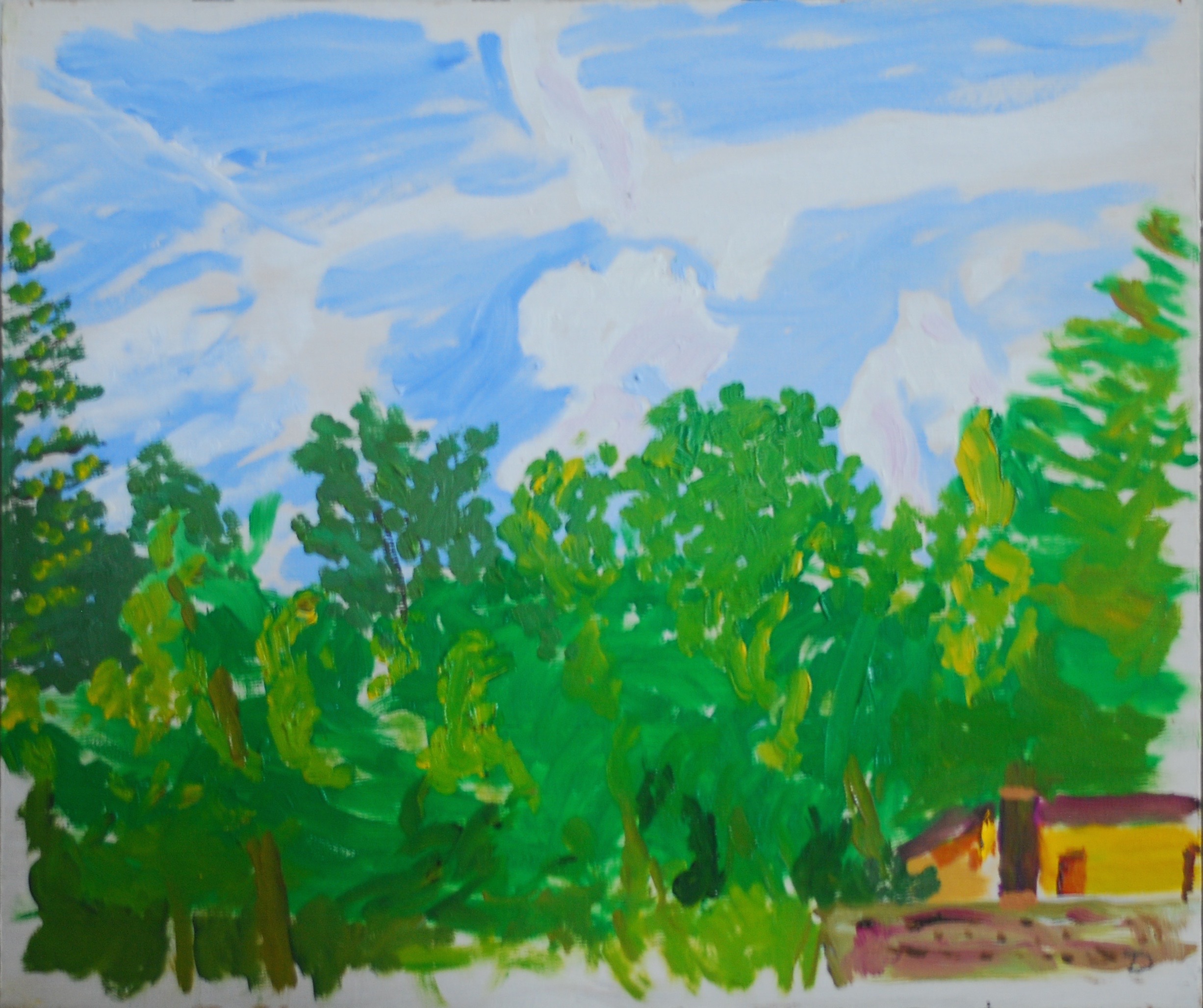
Houses, trees and sky, first recent oil, 10.25”x12”, oil on board

Sunset, looking east, 12”x12”, oil on panel, 2024
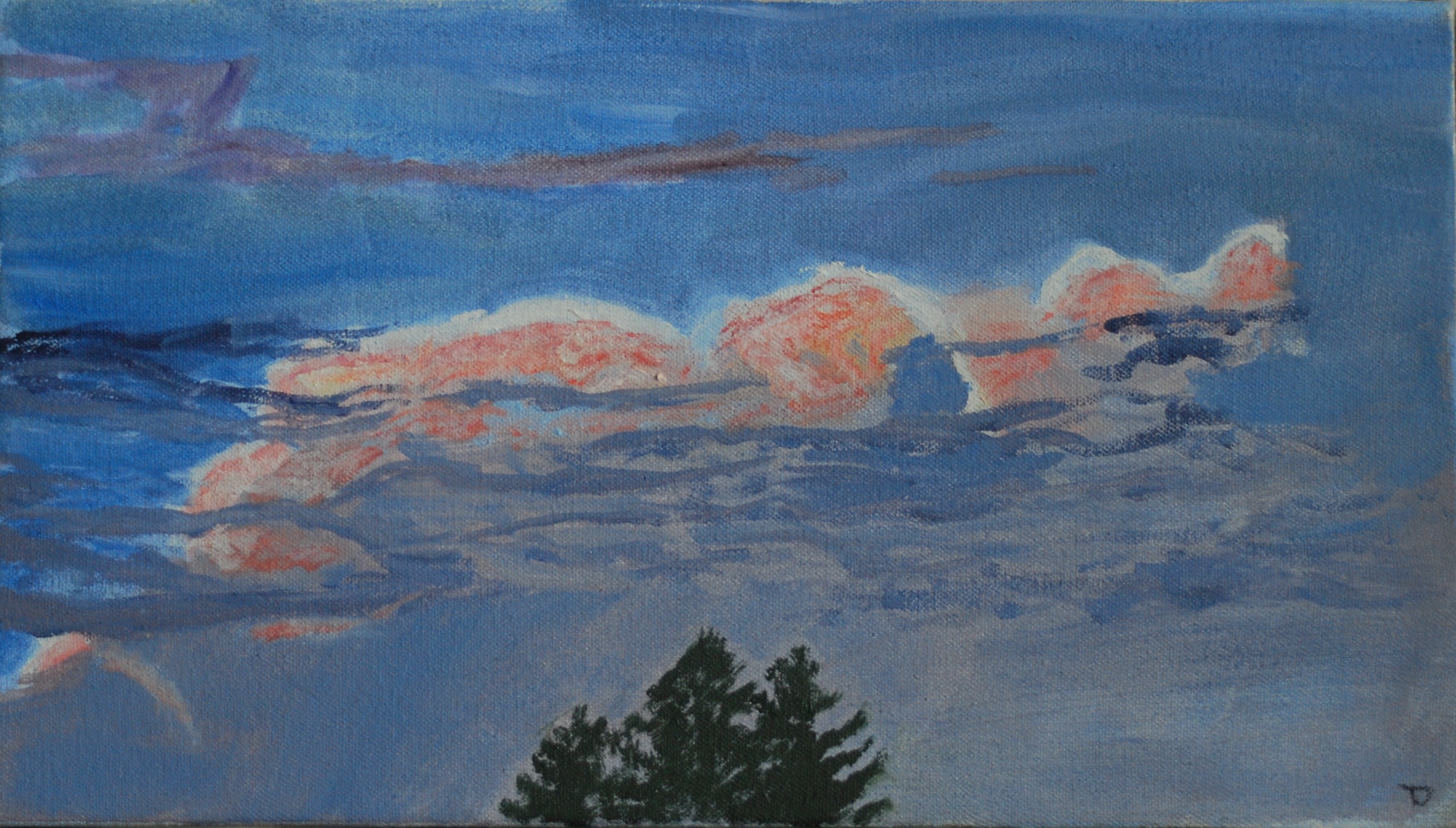
Clouds over tree, 8”x14”, oil on panel, 2024
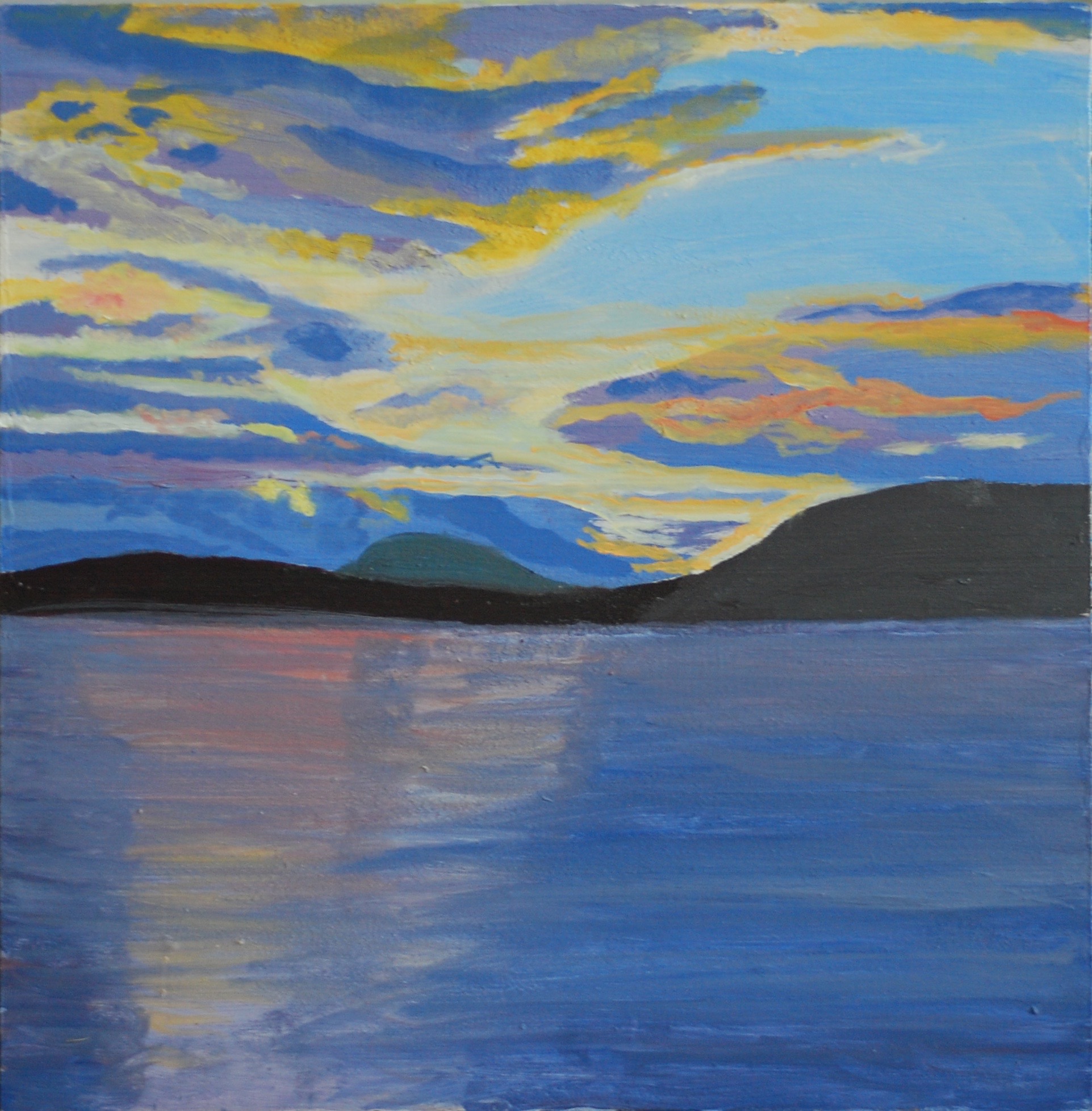
Penobscot Bay sunset, 10”x10”, oil on board, 2024

Looking toward Gloucester, 12”x12”, Oil on panel, 2024

Sunset looking away to sea, 16”x18”, oil on canvas, 2024
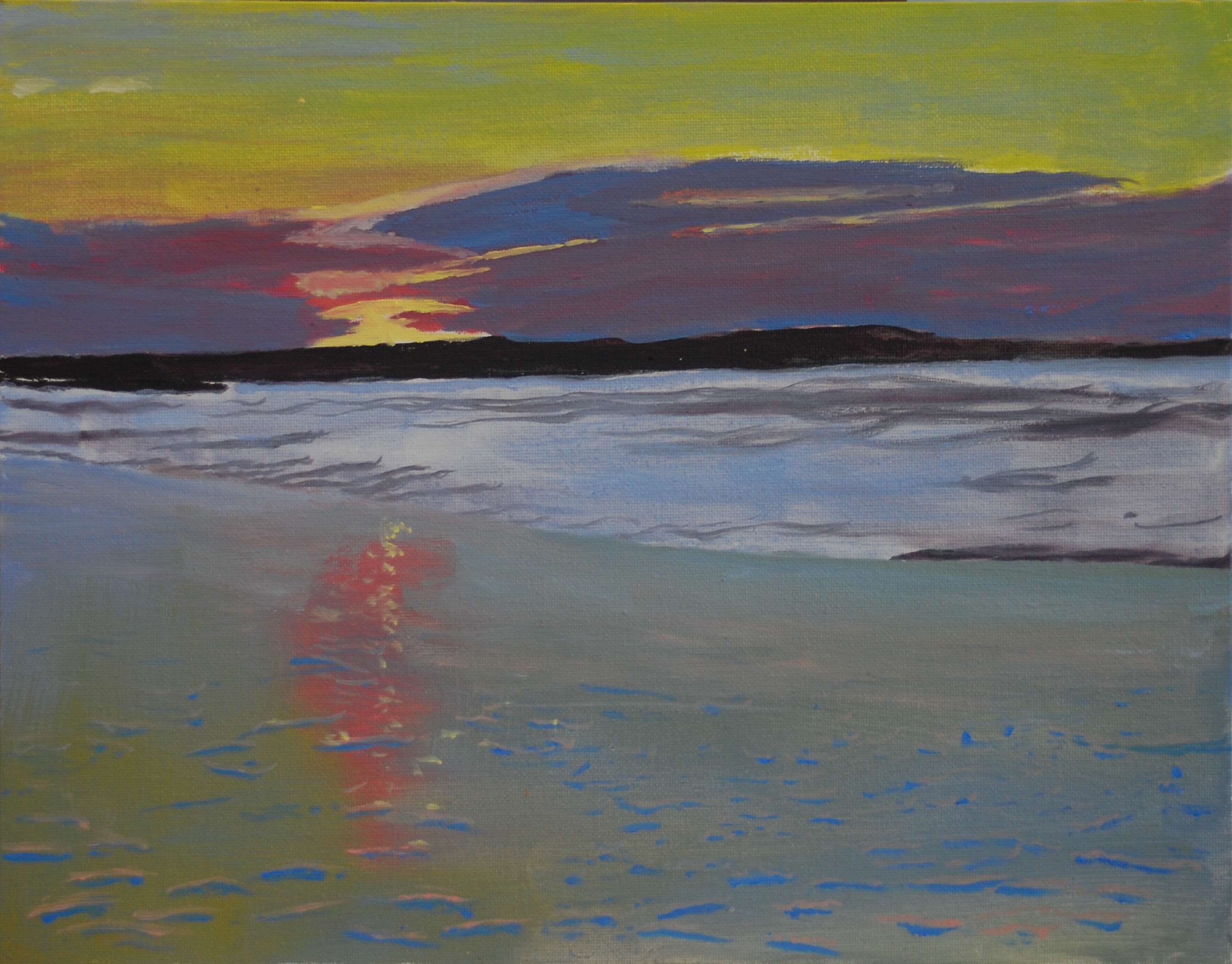
Walton backwater sunset. Low tide, 11”x14”, oil on canvas
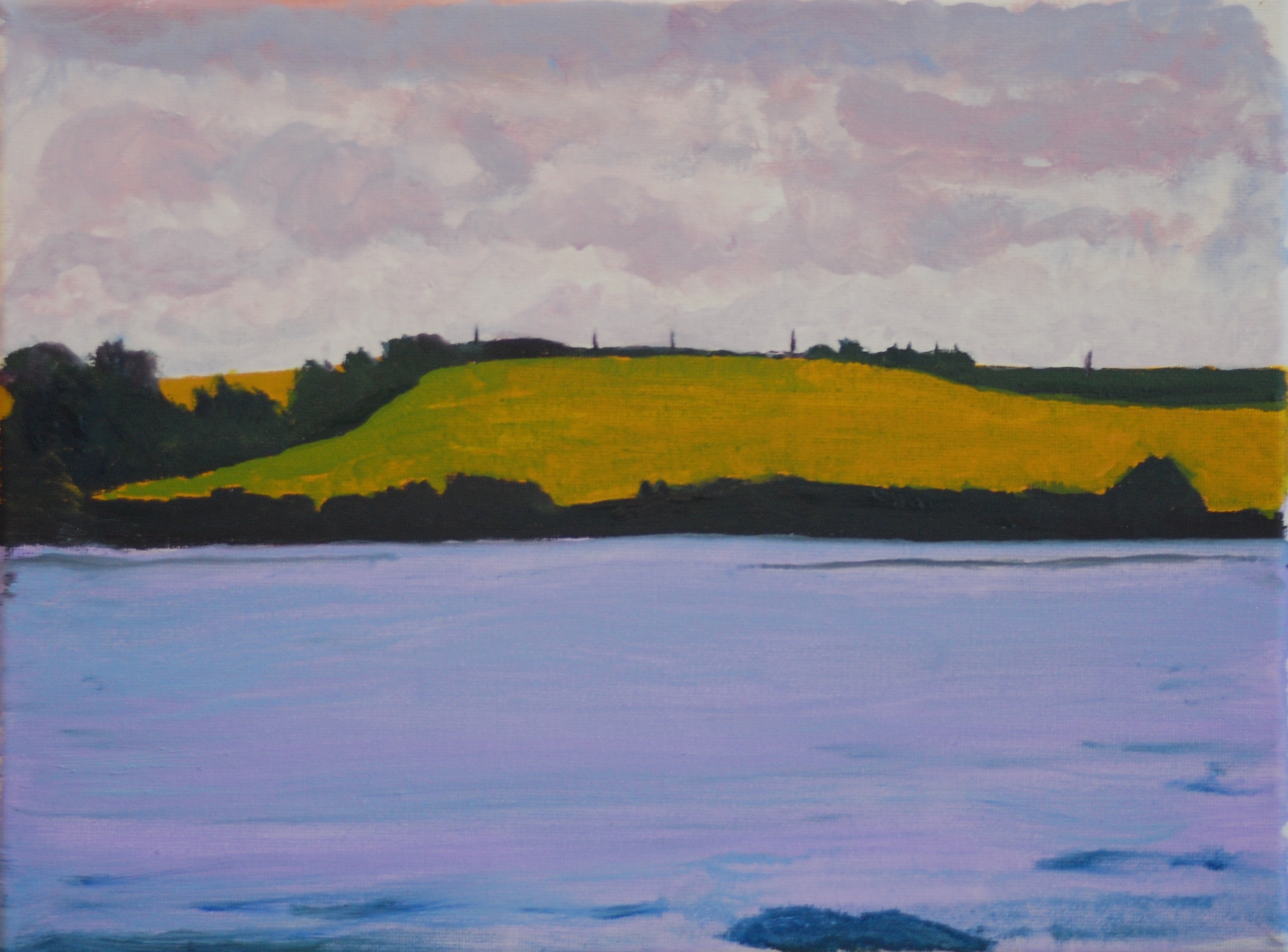
Deben River, 9”x12”, oil on canvas, 2024
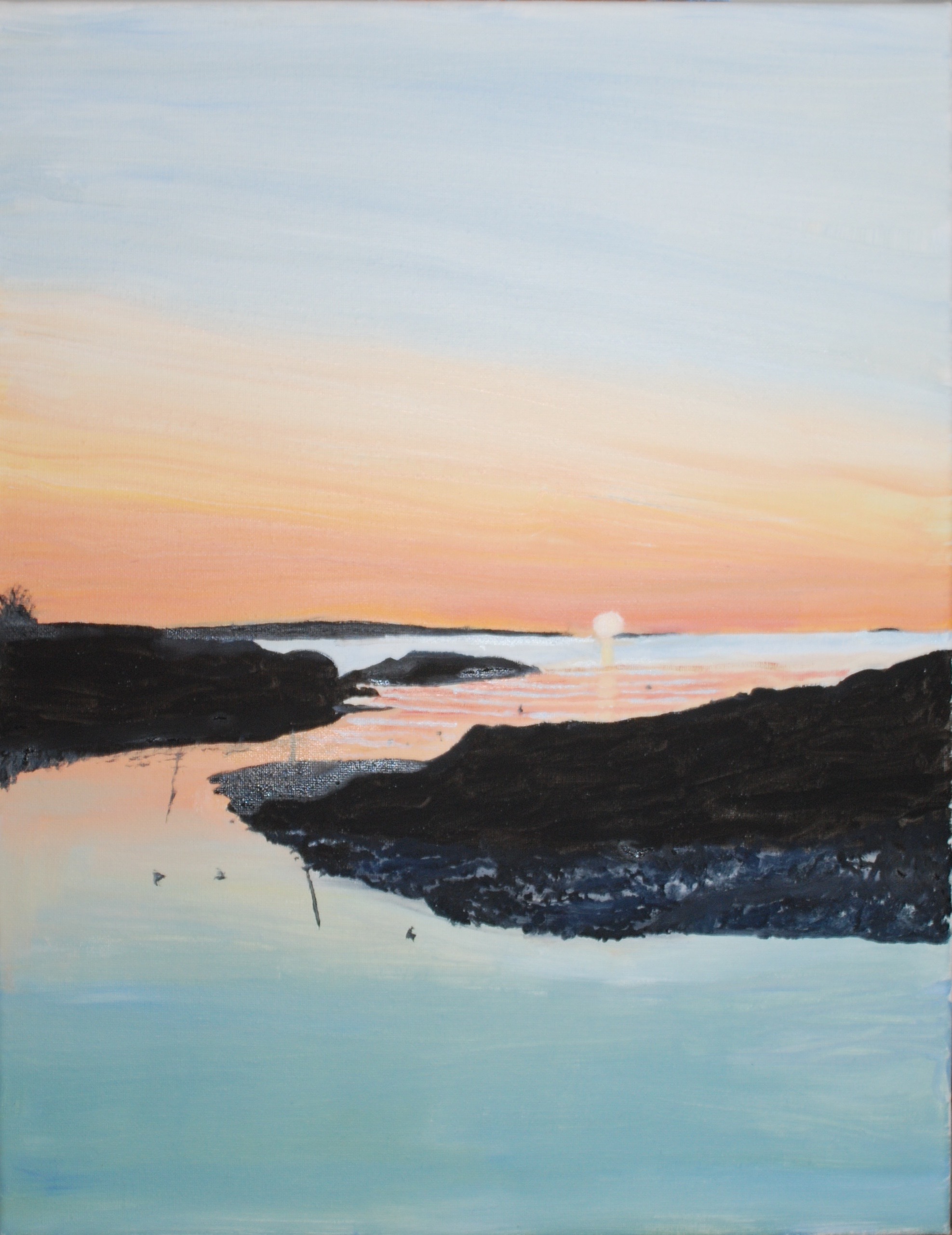
Summer sunrise at Fort Beach, Marblehead, 14”x18”, oil on canvas, 2025
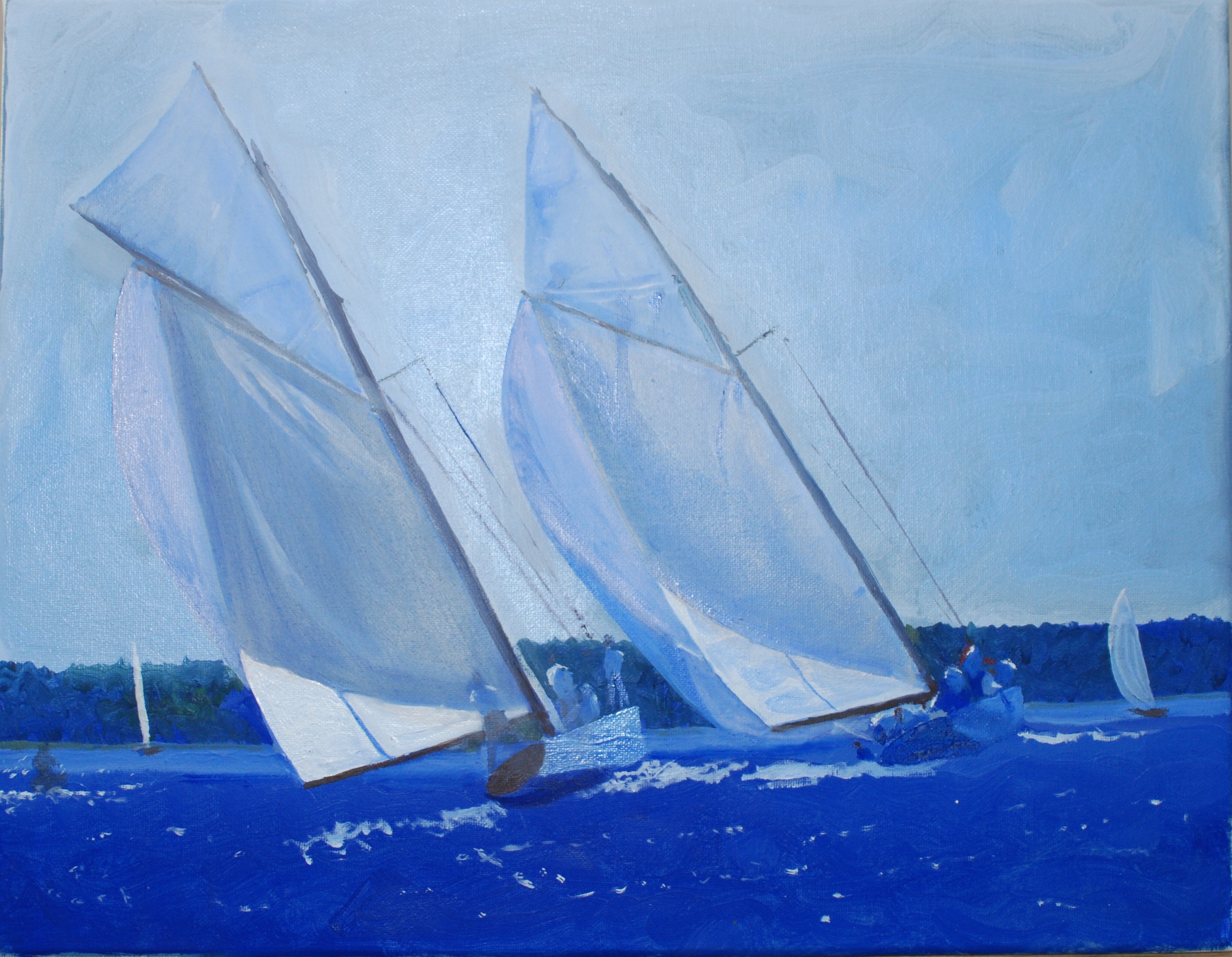
MAURLEE and JOYANT going away, 14”x18”, oil on canvas, 2025
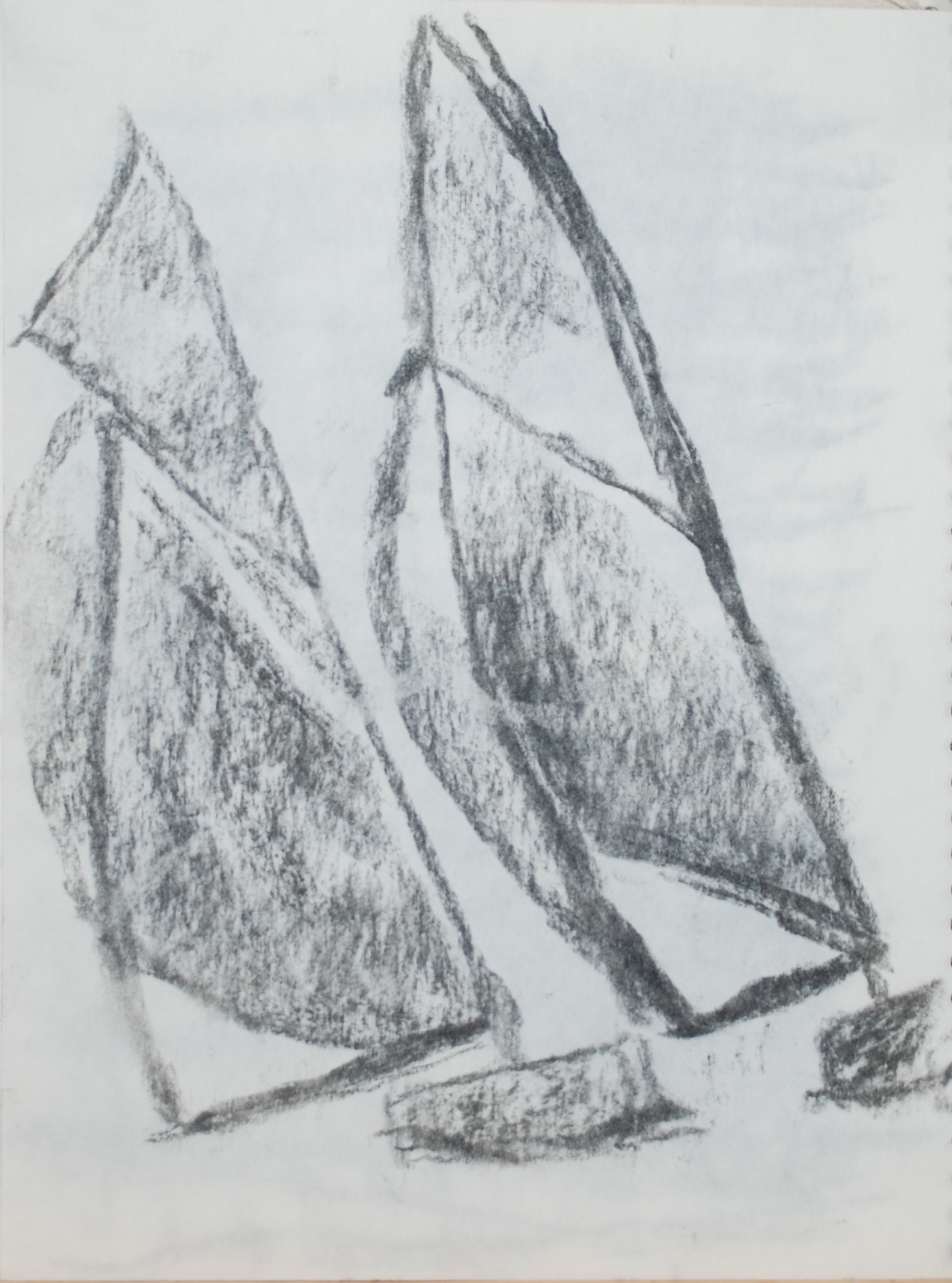
MARILEE and JOYANT, 8”x9”, charcoal study, 2025
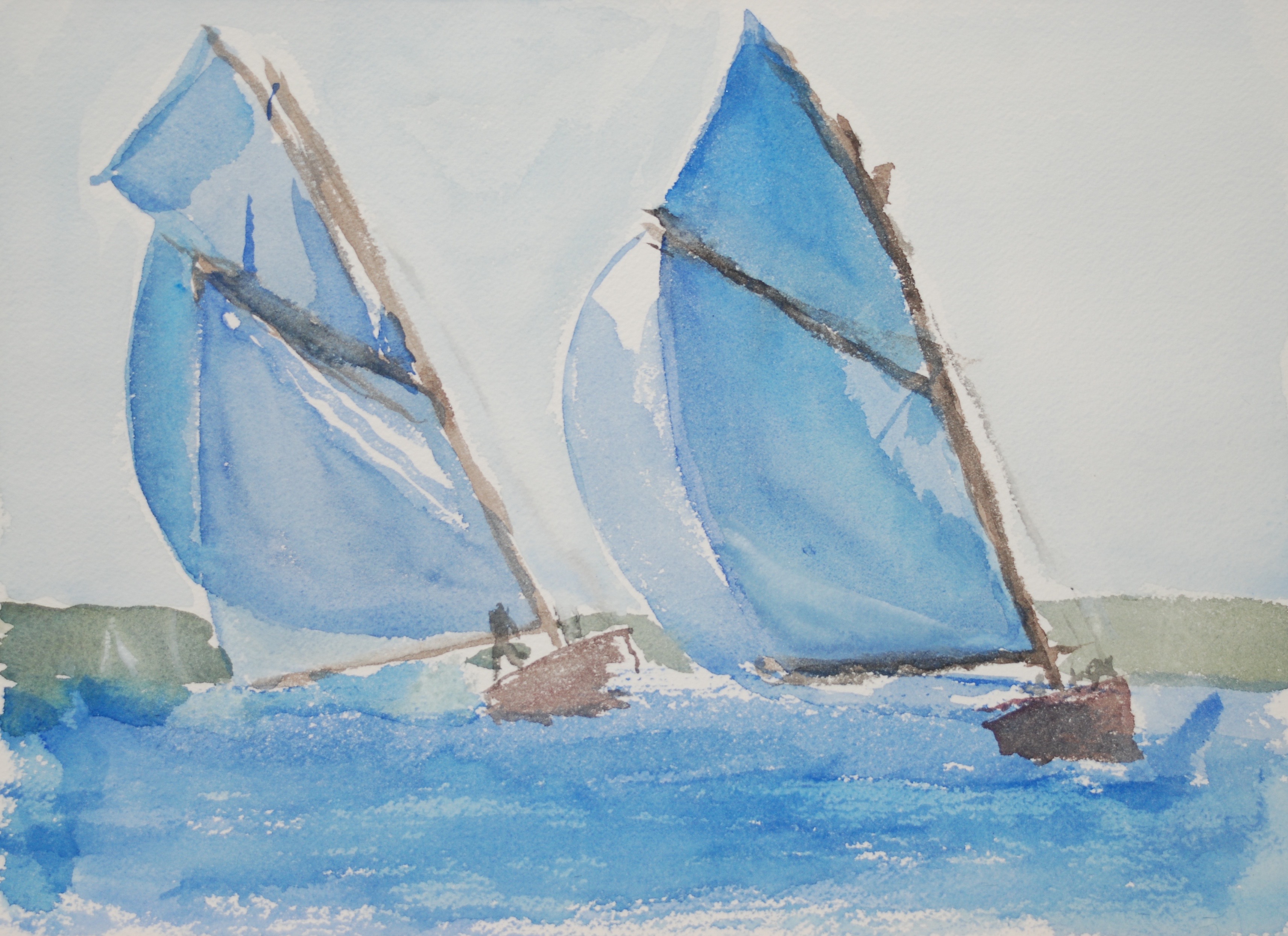
MARILEE and JOYANT, 10”x14”, watercolour done before the oil, 2025
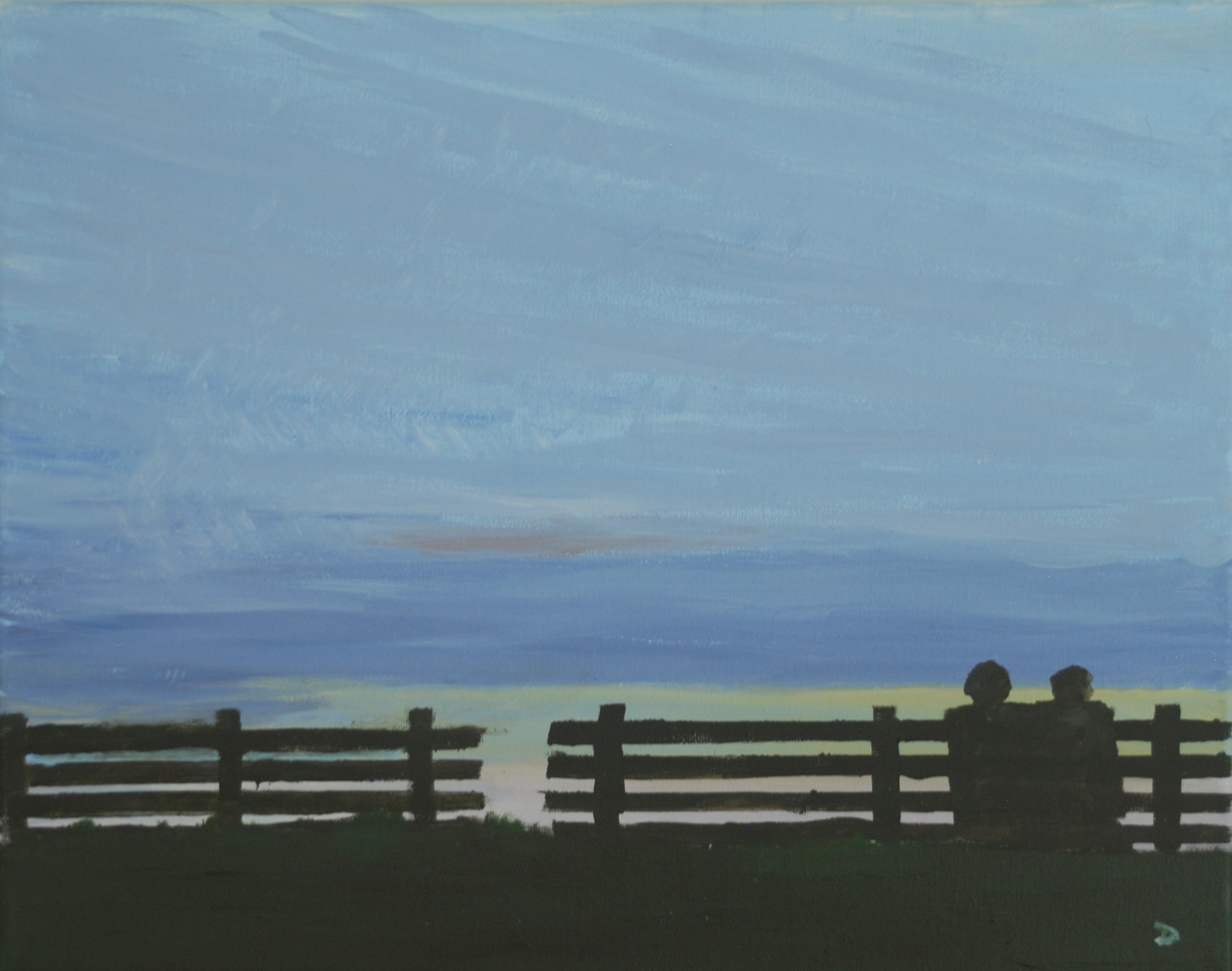
Waiting for sunrise at Fort Sewell, Marblehead, 11”x14”, oil on canvas, 2025
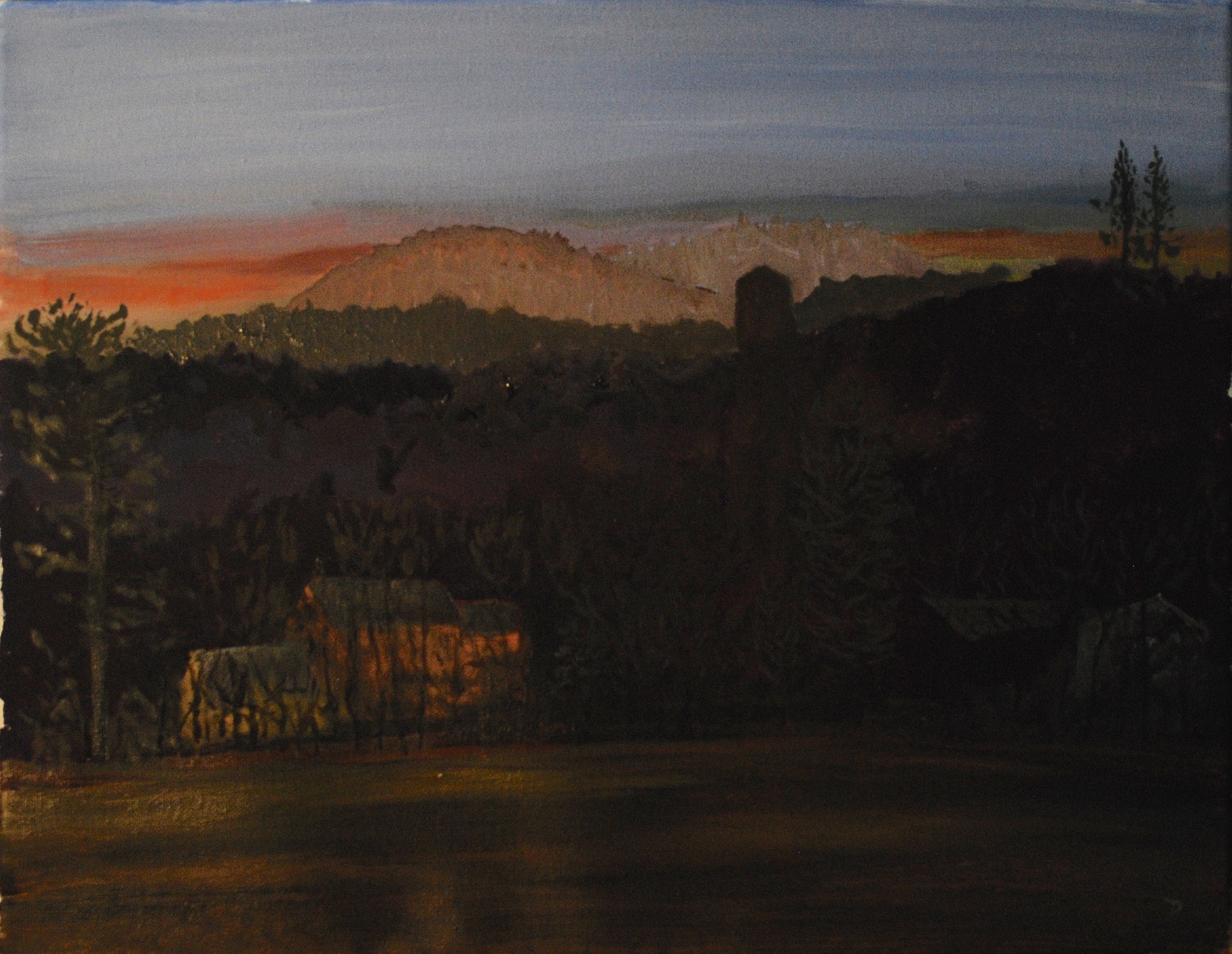
Winter dawn from Ives Rd, Conway, 14”x18”, oil on canvas, 2025

Late winter snow in the trees, 14”x18”, oil on canvas, 2025

Bright fall colours at the edge of the field, Cummington, 12”x12”, oil on board, 2025
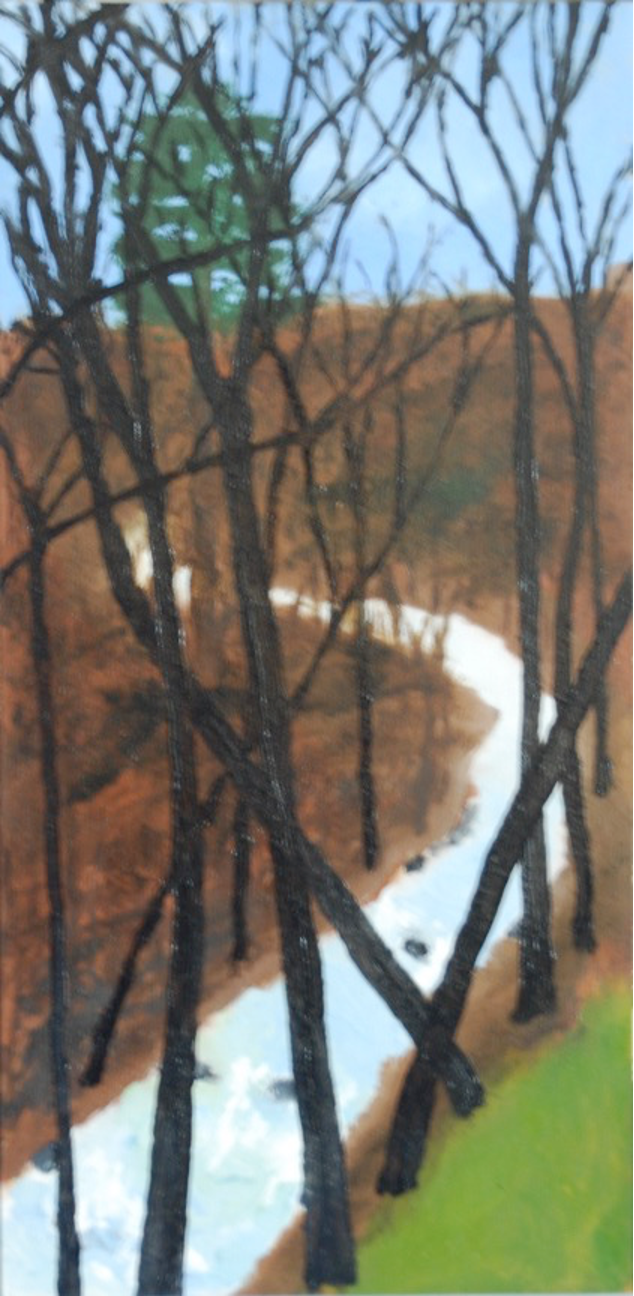
South River, 12”x12”

Marblehead sky, 14”x18”, oil on canvas, 2025
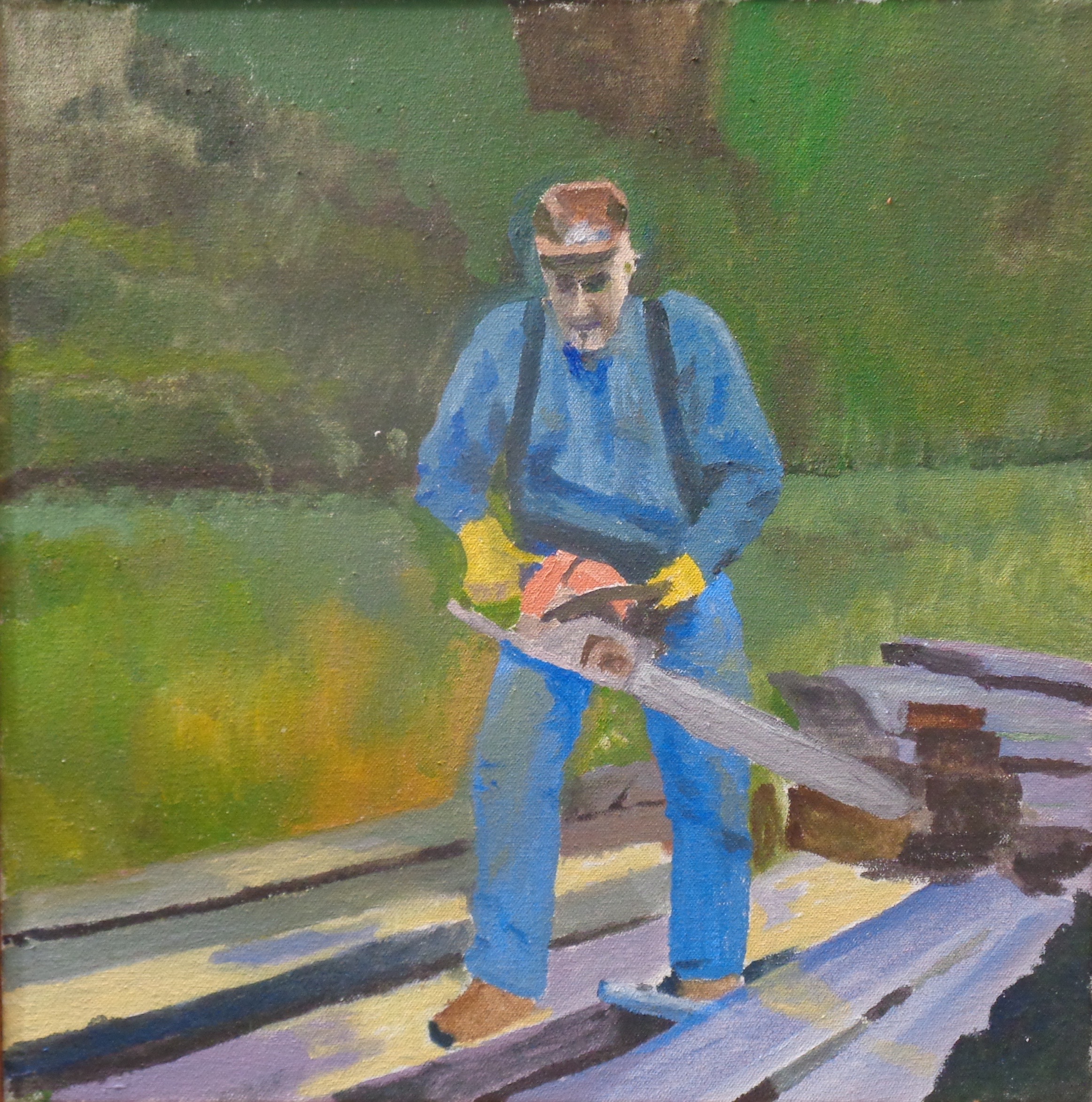
Pat Kellis, 14”x14”, oil on canvas, 2024
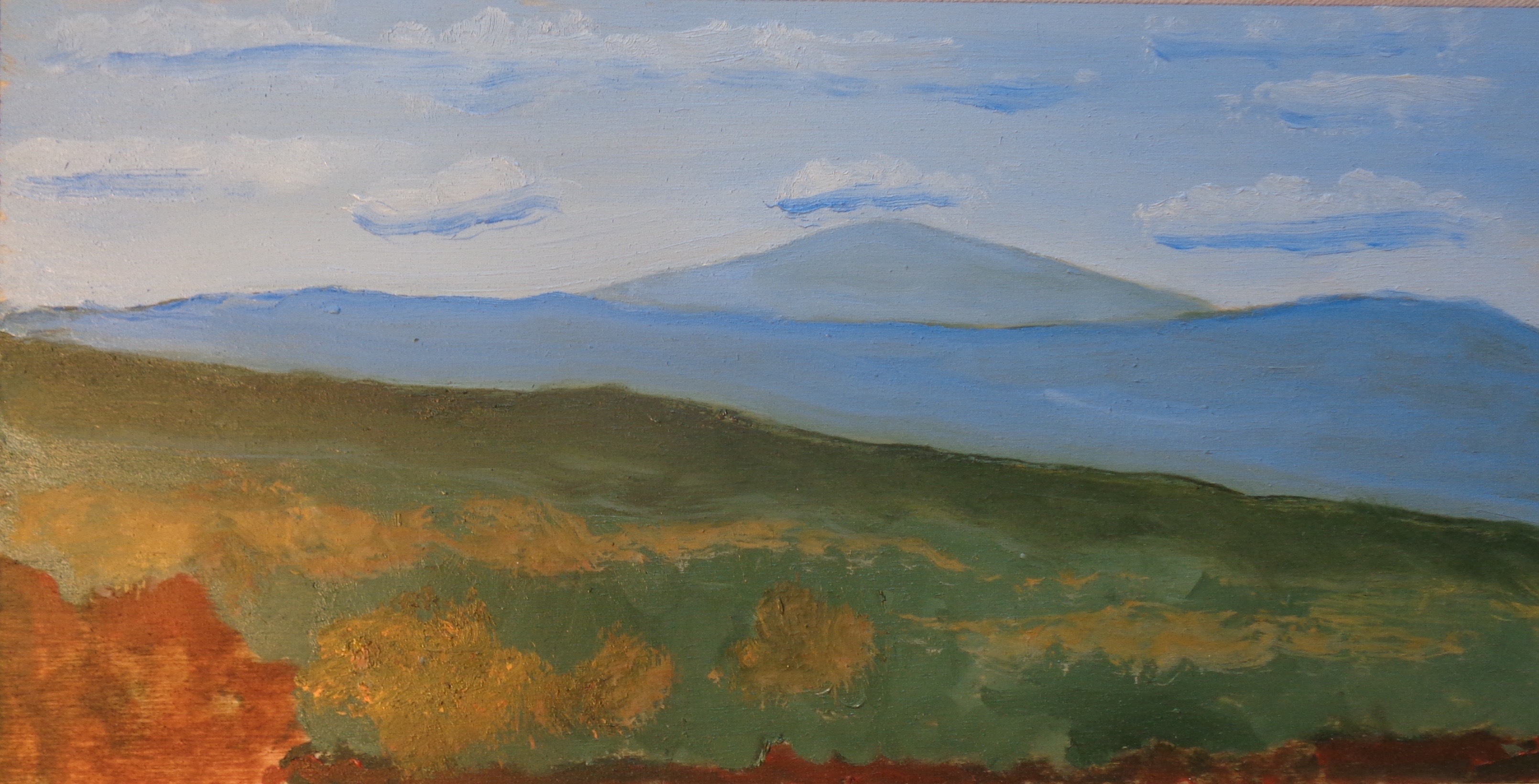
Monadnock from Apex Orchard, 6”x12”, oil on board, 2024

Marblehead twilight, 12”x12”, oil on panel, 2025
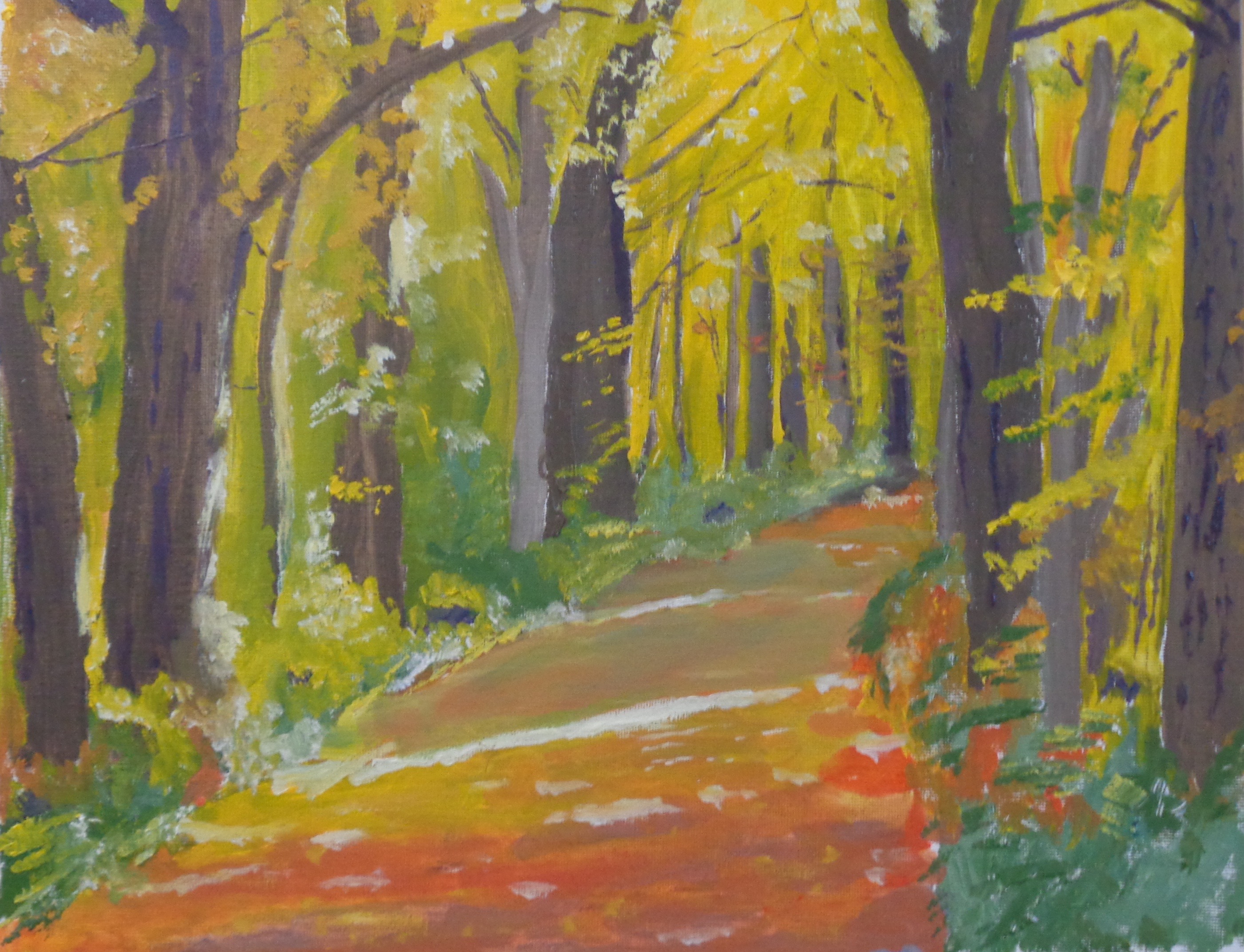
French Rd, Cummington,MA, fall, 11”x14”, oil on canvas, 2024
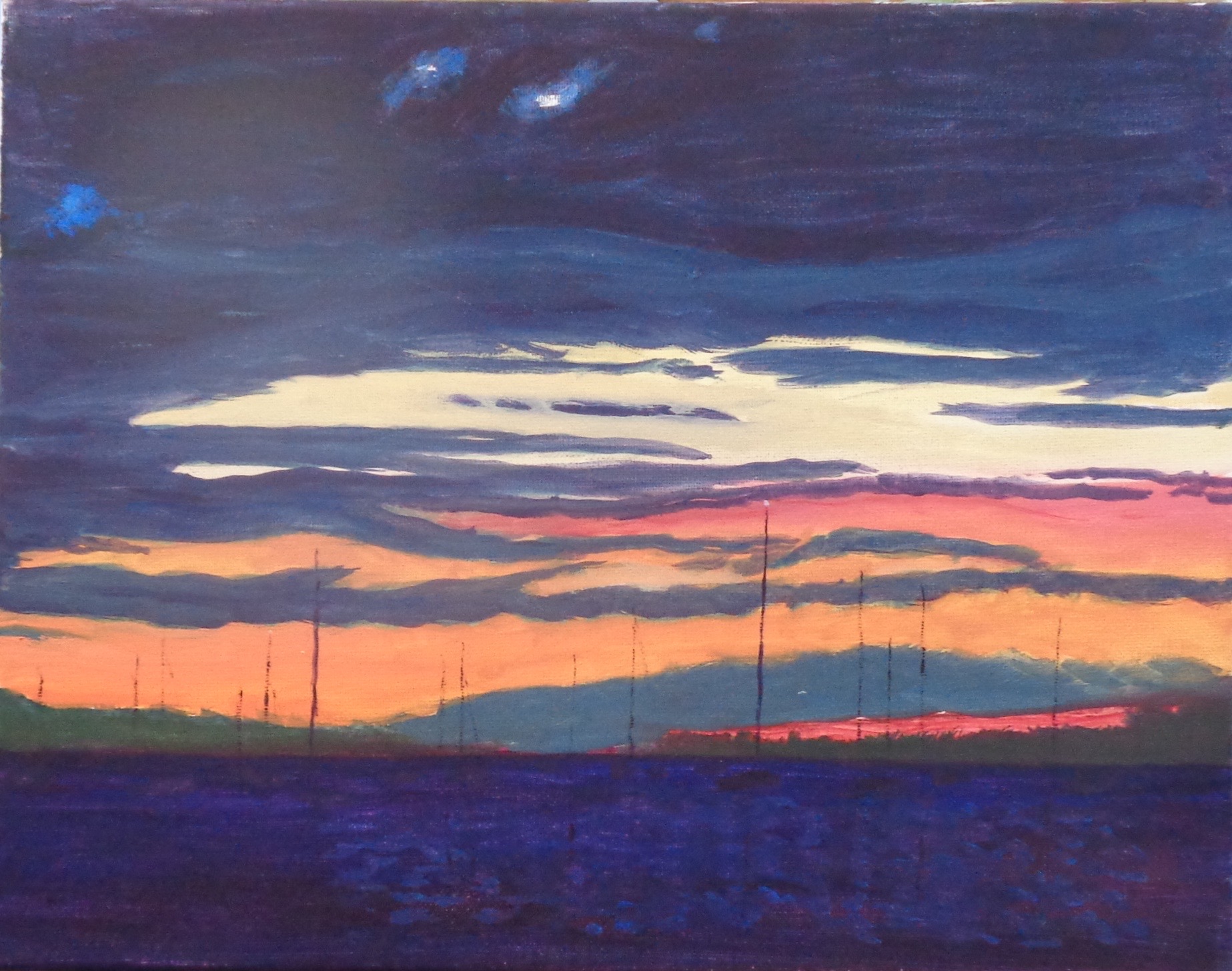
Sunset after Eggemoggin, 11”x14”, oil on canvas, 2024
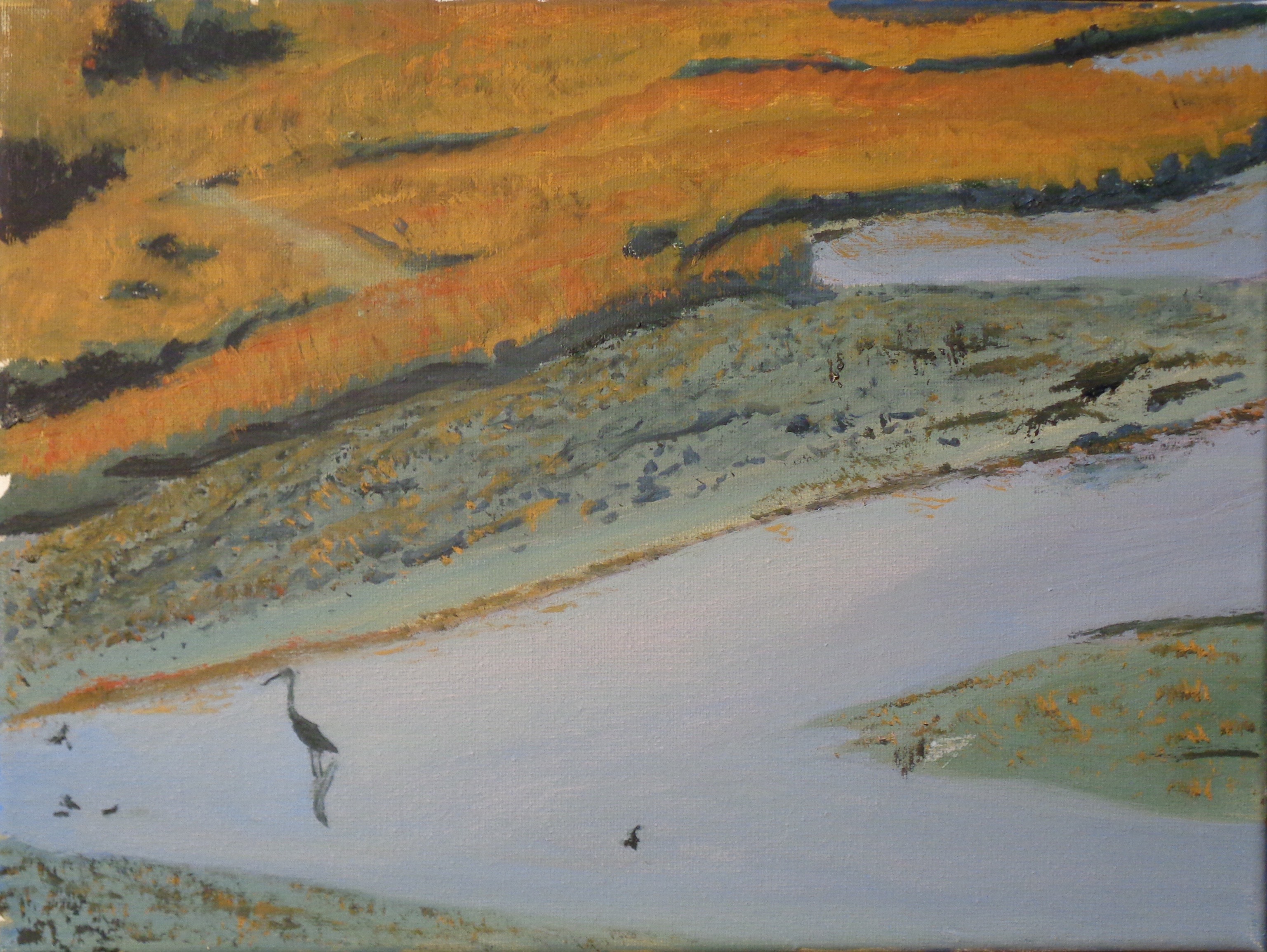
Good fishing, 9”x12”, oil on canvas, 2024
Thad Danielson
 horizonandpointofview